Tri State Kitchen and Bath's Best Practices for Sustainable Countertop Choices


Understanding Sustainable Countertop Materials
In the quest for an eco-friendly home, choosing sustainable countertop materials is a crucial step. Opting for environmentally responsible options reduces your carbon footprint and supports green practices. Some popular sustainable materials include recycled glass, bamboo, and reclaimed wood. These materials not only offer aesthetic appeal but also contribute to a healthier planet.

Recycled glass countertops, for instance, are made from post-consumer and industrial glass, which are combined with resin or cement. This not only prevents glass from ending up in landfills but also creates unique, colorful surfaces. Bamboo, a rapidly renewable resource, is another excellent choice, offering durability and a sleek look.
Evaluating Durability and Maintenance
When selecting a countertop, it's essential to consider both durability and maintenance. Sustainable materials like recycled paper countertops are surprisingly robust, capable of withstanding the daily wear and tear of a busy kitchen. They are also heat-resistant and non-porous, making them easy to clean and maintain.
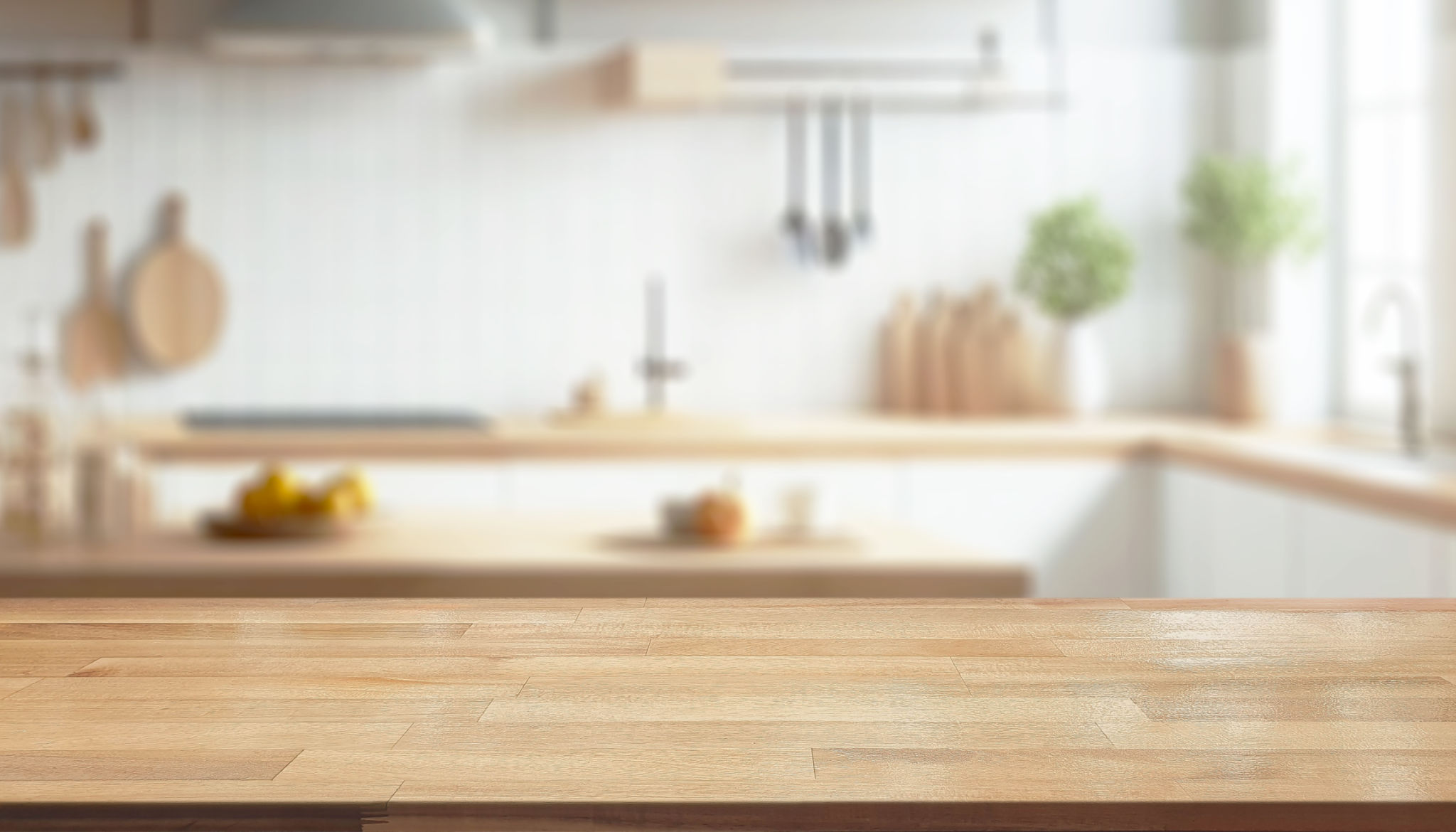
Reclaimed wood countertops, while requiring more care, add a rustic charm to any kitchen. Regular oiling and sealing help maintain their beauty and longevity. It is vital to weigh the maintenance requirements against the aesthetic and environmental benefits before making a choice.
Considering the Environmental Impact
Every countertop material has an environmental impact, from the resources used to its manufacturing process. Opting for locally sourced materials can significantly reduce transportation emissions. Additionally, choosing materials with minimal chemical treatments or those that are VOC-free helps maintain indoor air quality.
Companies that prioritize sustainable practices often provide transparency regarding the sourcing and production methods of their materials. Partnering with such companies ensures that your choices support broader environmental goals.
Cost Considerations and Budgeting
Budget is another crucial factor when choosing sustainable countertops. While some eco-friendly options may have a higher upfront cost, their durability and low maintenance can make them cost-effective in the long run. Consider investing in materials that align with your financial plan while also fulfilling your sustainability goals.
To make an informed decision, compare the long-term benefits and potential savings of different materials. Often, the initial expense is offset by the reduced need for replacements and repairs.
Incorporating Aesthetics and Style
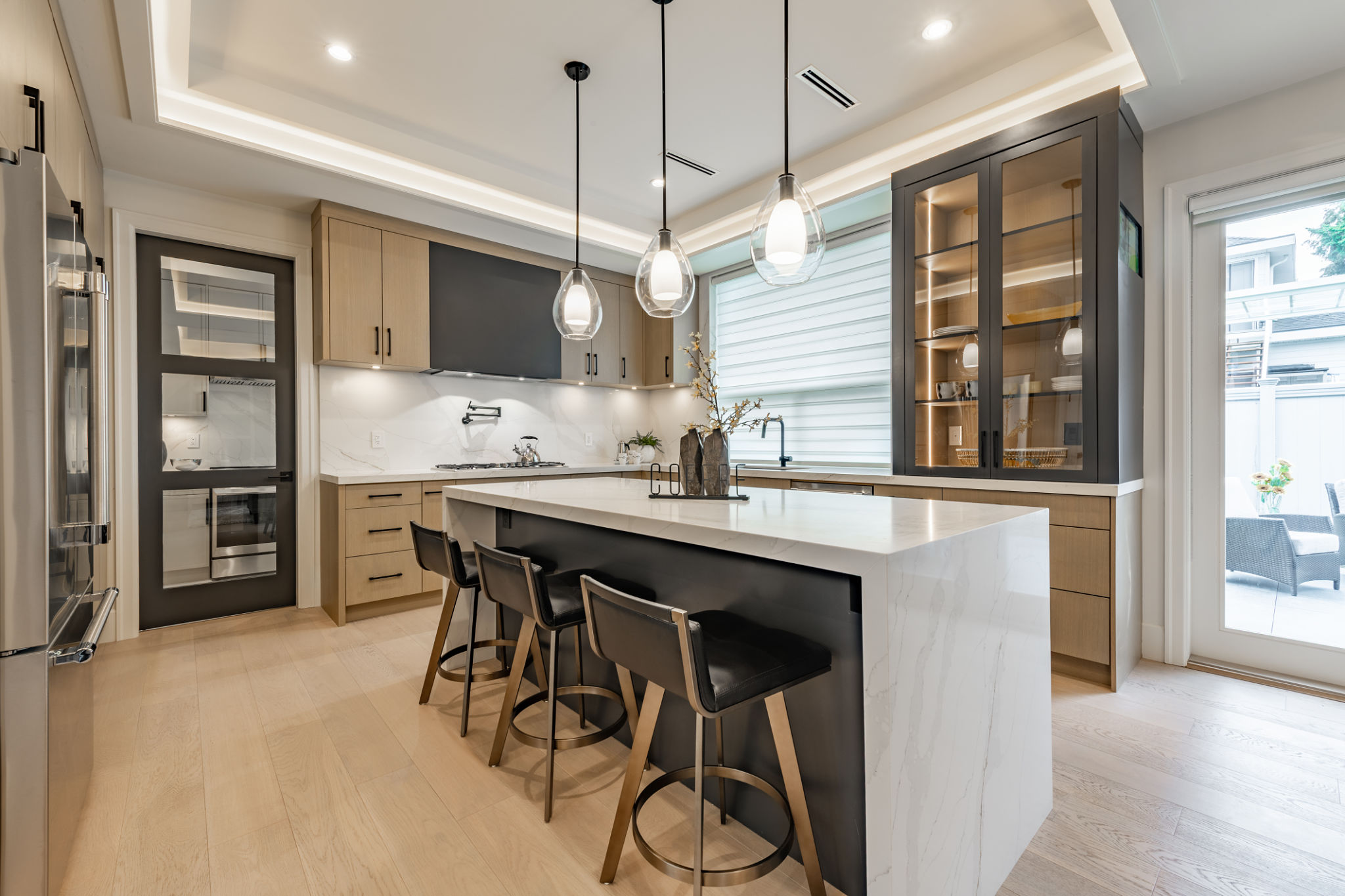
Beyond functionality and sustainability, aesthetics play a significant role in countertop selection. Sustainable materials come in a variety of colors, textures, and styles, allowing you to customize your kitchen to reflect your personal taste. Whether you prefer the natural beauty of stone or the vibrant patterns of recycled glass, there is a sustainable option to suit your design preferences.
When planning your kitchen renovation, consider how your choice of countertop will harmonize with other elements like cabinets and flooring. A cohesive design not only enhances visual appeal but also adds value to your home.
Conclusion: Making Conscious Choices
Choosing sustainable countertops is an empowering decision that contributes to a more environmentally conscious lifestyle. By considering factors such as material, durability, environmental impact, cost, and aesthetics, you can make informed choices that benefit both your home and the planet.
Tri State Kitchen and Bath is committed to helping you find the perfect sustainable countertop solution. By following these best practices, you can enjoy a beautiful, functional kitchen that aligns with your values and supports a sustainable future.