Expert Tips: Extending the Life of Your Bathroom Countertops


Understanding Your Countertop Materials
Bathroom countertops come in a variety of materials, each with its own set of maintenance needs. Whether you have granite, marble, quartz, or laminate, understanding the specific requirements of your countertop material is crucial for extending its life. Granite and marble, for instance, are natural stones that require regular sealing, while quartz is more resistant to stains and scratches.
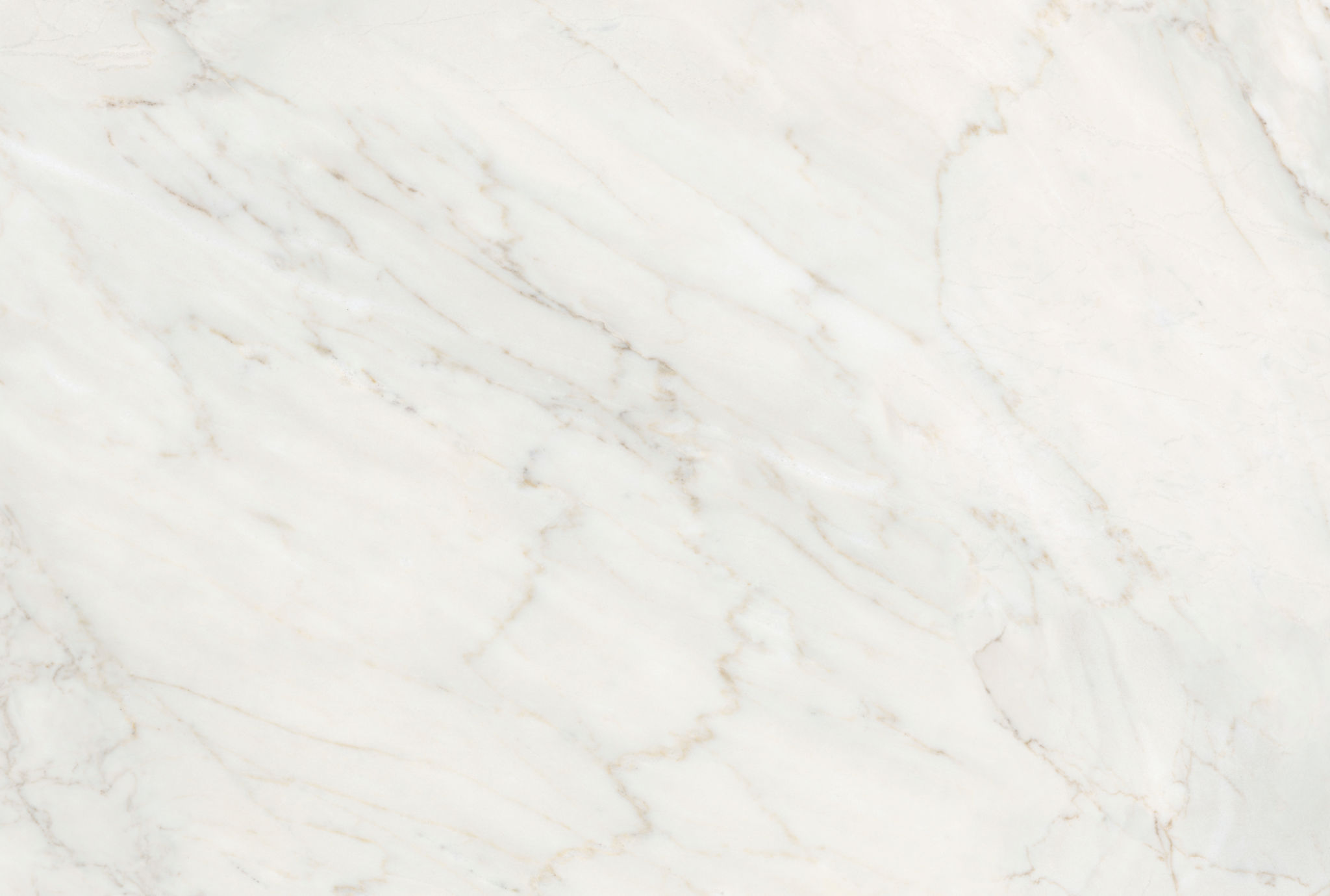
Knowing the characteristics of your countertop material allows you to use the right cleaning products and methods. Using the wrong product can cause damage that shortens the lifespan of your countertops. Always consult the manufacturer's guidelines or speak with a professional if you're unsure.
Regular Cleaning and Maintenance
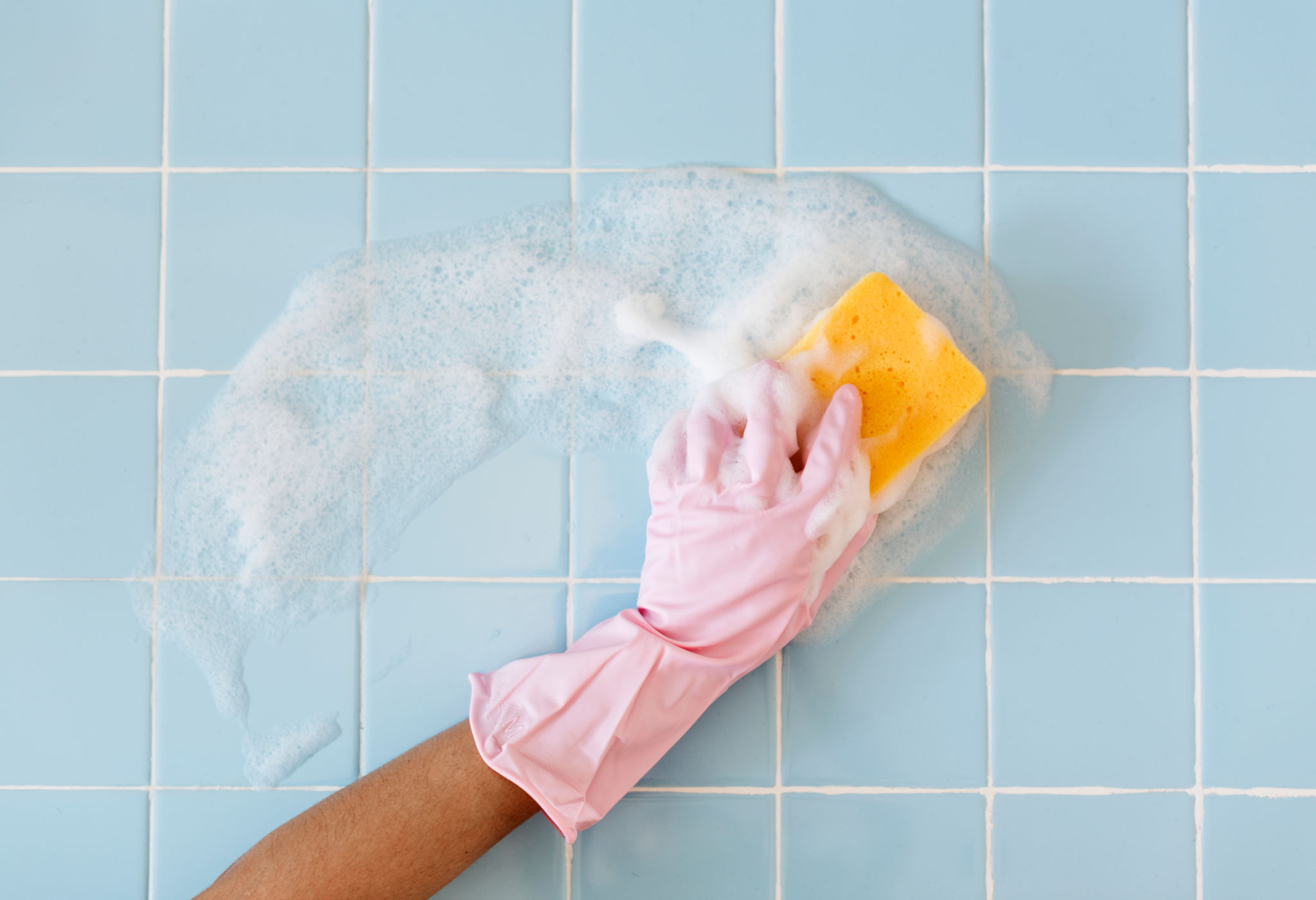
Keeping your countertops clean is one of the simplest ways to prolong their life. Regularly wipe down surfaces with a soft cloth and a gentle cleanser. Avoid using harsh chemicals or abrasive pads, as these can scratch or dull the finish over time.
For daily cleaning, warm water and mild soap are usually sufficient. For deeper cleaning, ensure you're using a product that's safe for your specific countertop material. Remember, consistent maintenance is key to preventing stains and buildup.
Sealing Natural Stone Countertops
If your bathroom countertops are made from natural stone like granite or marble, periodic sealing is essential. Sealing helps protect the porous surface from absorbing water, oils, and other substances, which can lead to staining or etching.
Most experts recommend sealing natural stone countertops every 6 to 12 months. To check if your countertop needs resealing, sprinkle a few drops of water on the surface. If the water absorbs quickly, it’s time to reseal.
Preventive Measures
Preventing damage is often easier than repairing it. Use coasters, trivets, and trays to protect the surface from hot items, spills, and sharp objects. This is especially important for materials prone to scratching or heat damage.

Additionally, encourage family members to be mindful of water and soap spills. Wipe up any spills immediately to prevent moisture from seeping into seams or edges, which can cause swelling or warping.
Dealing with Stains and Scratches
Despite your best efforts, stains and scratches can still occur. Address them promptly to avoid permanent damage. For stains, create a paste of baking soda and water, apply to the affected area, and let it sit for a few minutes before wiping clean.
For minor scratches, a gentle buffing with a non-abrasive pad might help. For deeper scratches, consider hiring a professional to refinish the surface. Regular inspection and timely intervention can keep your countertops looking their best.
Conclusion: Commitment to Care
Extending the life of your bathroom countertops requires a commitment to care and maintenance. By understanding your materials, cleaning regularly, sealing when necessary, taking preventive measures, and addressing issues promptly, you can ensure that your countertops remain beautiful and functional for years to come.
Remember, the investment in time and effort will pay off in the longevity and appearance of your bathroom surfaces, adding value and comfort to your home.